WCC and me – Dr Christine Plastow
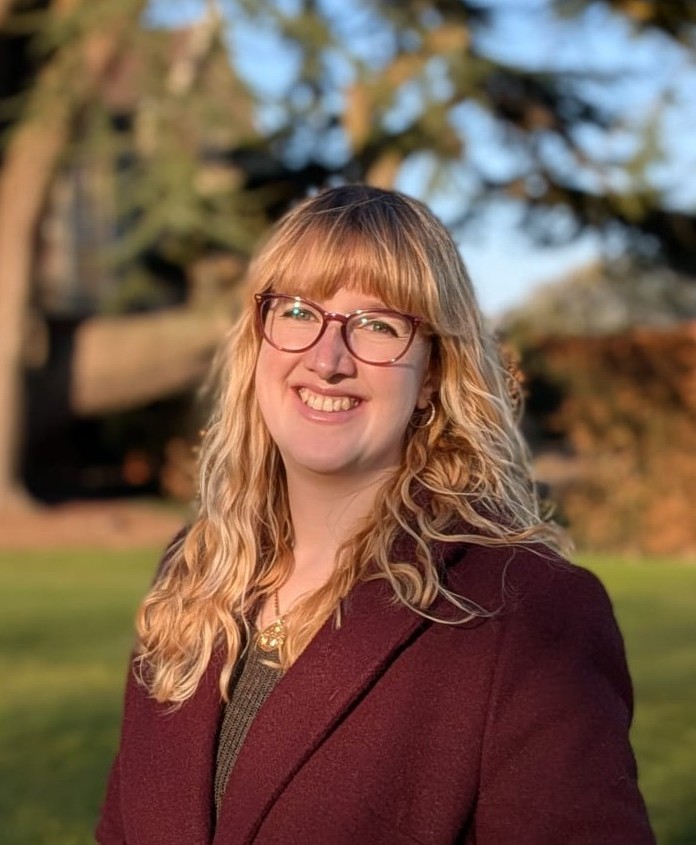
As part of our tenth anniversary celebrations, we are writing a series of blog posts in which members tell us about their experiences with the WCC UK. Our fourth interviewee is Dr Christine Plastow.
Christine Plastow is a Senior Lecturer in Classical Studies at the Open University. Her research focuses on Greek oratory and on the contemporary theatrical reception of Greek myth. She was the Mentoring Officer and then the Treasurer of the WCC. She discusses her involvement with the WCC with Katherine McDonald, current co-chair of the WCC.
KM: Tell me a bit more about how you first got involved with the WCC.
CP: I remember going to the launch event; I was a PhD student at the time. I was just kind of amazed that the WCC didn’t already exist that we were just launching it then.
It felt valuable to me personally because I was doing my PhD in London but I didn’t live in London for the first couple of years of my PhD, so I didn’t feel embedded in the London Classics community, which was very busy and big. I always felt kind of on the outside. The WCC gave me another community that I felt like I could be a part of.
Later, I became a bit more involved. I think I ran for steering committee and didn’t get elected, but then I volunteered to be the Mentoring Officer. At one of the AGMs we were talking about starting a mentoring scheme and I thought, that sounds like something I could do. And I did that for a couple of years before I became the Treasurer.
KM: Are there any initiatives or events that have been important to you or have been particularly memorable for you? You’ve already mentioned the mentoring scheme – is there anything you want to say about that?
CP: I really enjoyed being the Mentoring Officer, particularly establishing the Mentoring Triads. And I really enjoyed being part of a triad. I think I’ve done it three times now and I’ve always found those mentoring triads a really nice thing to do throughout the year, just to have people to check in with who are disconnected from all other aspects of my academic life. I don’t know how many people have gone through that process since it’s existed, but it’s quite a lot considering our small membership. So I was pleased to be able to set that up.
The other initiative that has been the most important to me personally was the Small Grants Scheme. So, when I became Treasurer in 2020, Carrol [Atack] had already set up the emergency grants during Covid and that in itself was really powerful. We were reading applications from people who were in quite difficult circumstances because of the pandemic and I felt I could do something material that was helping those people. That felt very meaningful to me at the time.
And then, even before the emergency grants, we have been kind of talking about a small grants scheme. After the CA started doing the admin for the emergency grants on their own, I got that set up and then ran it for the rest of the time that I was Treasurer. That was really rewarding. It felt like a real meaningful difference that the committee could make because we all know that funding is not easy to find, especially small amounts. Sometimes you only need £100, or even £50, to fund a trip to an archive or a conference. Or graduate students want to put on a one-day conference, and they just want to have some catering. So even though it would be great to be able to hand out bigger pots of money, just that £150 has enabled so many people to go to conferences or hold events that they wouldn’t have been able to otherwise, especially with departments having less and less available for ECRs.
KM: It’s still a really active and much-appreciated scheme.
CP: And I think that means we’ve had influence in a tiny way on lots of different events around the UK. Maybe the committee hasn’t always been as visible as we would have liked it to be, but I think behind the scenes, we’ve probably been doing important work. Sportula was also really inspiring for us. Because it’s a mutual aid thing, really – all the money for funding small grants always just came from membership payments or donations. Since we started doing a lot more of our events online and we weren’t spending so much money on hosting our own in-person event, it felt like a really good alternative use of that money. Just give it back to the members who need it.
KM: So you’ve talked about how you’ve helped other people through the WCC, but what has it mean for you personally?
CP: In practical terms, being the Treasurer has taught me how to be a treasurer. I’m now the treasurer of another group and it’s very easy because I’ve done it before. So it kind of gave me confidence in that kind of an administrative role. And although the WCC steering committee has always been very friendly, it has prepared me for less friendly committees!
But more than that, I think, meeting everybody that I’ve met through the WCC has been probably the most valuable thing to me. Especially because I’m at the Open University, and although we’re quite tight-knit we don’t always spend a lot of time together. Knowing there’s another network you can tap into where people have similar interests, or a similar ethos, has been important. Also, the fact that it’s UK-based, because my academic research networks are quite international. It’s important to have a network that I can rely on, whether that’s for a moan about something or a new collaboration. I can reach out to people in a professional context, because I know them through the WCC.
KM: If we don’t have an old-boy’s network, we can create our own, right?
CP: Yes, and now I’ve taken that same approach into other areas of my research, encouraging younger women to get involved in other research networks that I belong to, for example.
KM: So what would your message be to someone who is considering joining for the first time, particularly a student or an ECR?
It’s definitely worth joining, especially if you’re a student: it’s only five pounds a year. Even if you just join to be able to apply for a small grant, the five pounds is worth it. But apart from that, I would say: join and get involved in the mentoring schemes. Because being able to have short-term mentoring on a particular issue or a co-mentoring triad, it’s just so valuable to have that resource. And I think everyone who is more senior who has signed up for those schemes is so generous with their time and so willing to help more junior people.
I would also say, bring to the WCC what you want to get from the WCC. So, I would really encourage new people joining to bring ideas for events that they want to hold or initiatives that they want to set up or things that they want to see changed. The more new people get involved and the more new ideas they bring, the more the WCC is going to be able to continue evolving and continue meeting the needs of its members and meeting the moment that we’re in right now. Academia is changing all the time, the world around us is changing all the time, and we need to keep changing to keep up with that.
New people joining, and bringing some enthusiasm, and some ideas and or even some criticism, that’s all really, really welcome here. Help us to make the WCC even better and even more relevant into the future.